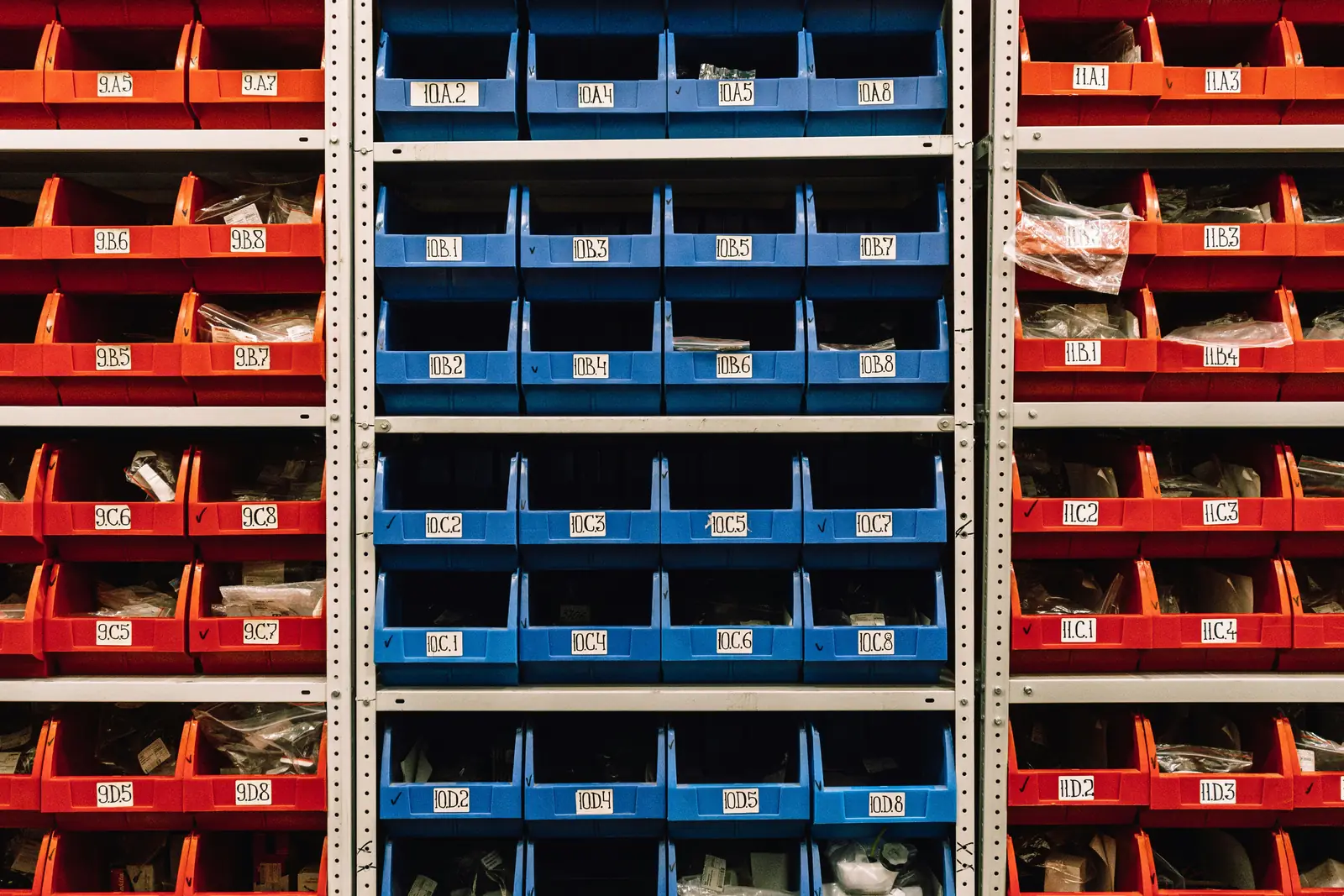
Obsolete & hard-to-find parts
Can't find it? We'll source it.
Discontinued PLC modules, legacy drives, obsolete breakers and boards for machines that still have years left in them. Send us the part number – we'll check our shelves and our sourcing network and come back with a quote.
How sourcing works
Send the part number
Use the quote form – add quantities, the condition you can accept and how urgent it is. A photo of the old part's label helps.
We check stock and our network
First our own 270,000+ parts in stock across 43,000+ listings, then our sourcing network.
You get a clear quote
Price, condition and availability, in writing. We reply within 1 hour during business hours (Mon–Fri 9–3:30 CT).
What we source
- Obsolete and discontinued PLC processors and I/O
- Legacy AC, DC and servo drives
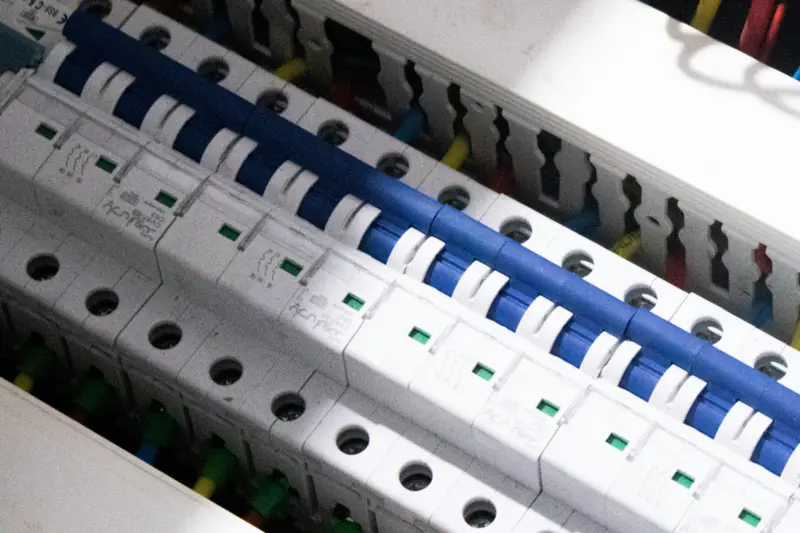
- Older breakers, fuses and protective relays
- Control and power circuit boards
- HMIs and operator panels
- Contactors, starters and overloads
- Sensors, encoders and instruments
- Same-part multiples for fleets of machines
Before you ask
Try the part-number search – it understands the ways people type part numbers. Or browse brands A–Z and departments. Out-of-stock pages have a “Request a quote” button with the part filled in.
On our shelves right now
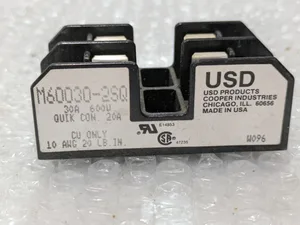
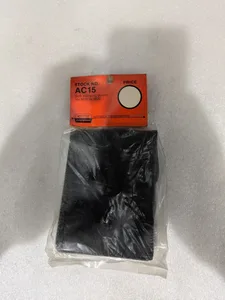
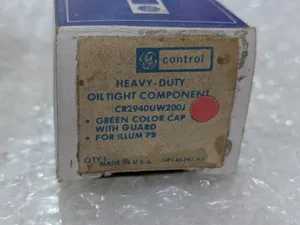
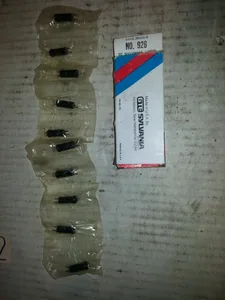
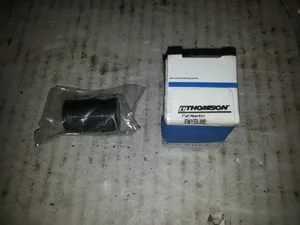
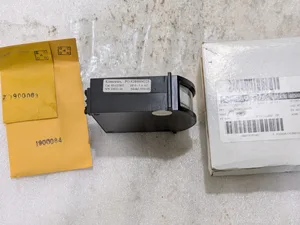
Real, photographed parts in stock today – the kind of hard-to-find items we carry.
Tell us what you're looking for
One part number or a whole bill of materials – we'll check and quote.
Related guides
How to source obsolete and discontinued automation parts without long downtime
What to do the day a discontinued PLC, drive or HMI fails – and how to stop it from being an emergency next time.
How to read an Allen-Bradley catalog number (and what “Ser B” means)
Bulletin numbers, module codes, suffixes, the series letter and firmware revision – and how each one affects whether a replacement will work.
VFD basics for maintenance teams: sizing, replacing a failed drive and common faults
Sizing a variable frequency drive correctly, swapping a failed one with minimal downtime, and what the most common fault codes usually point to.