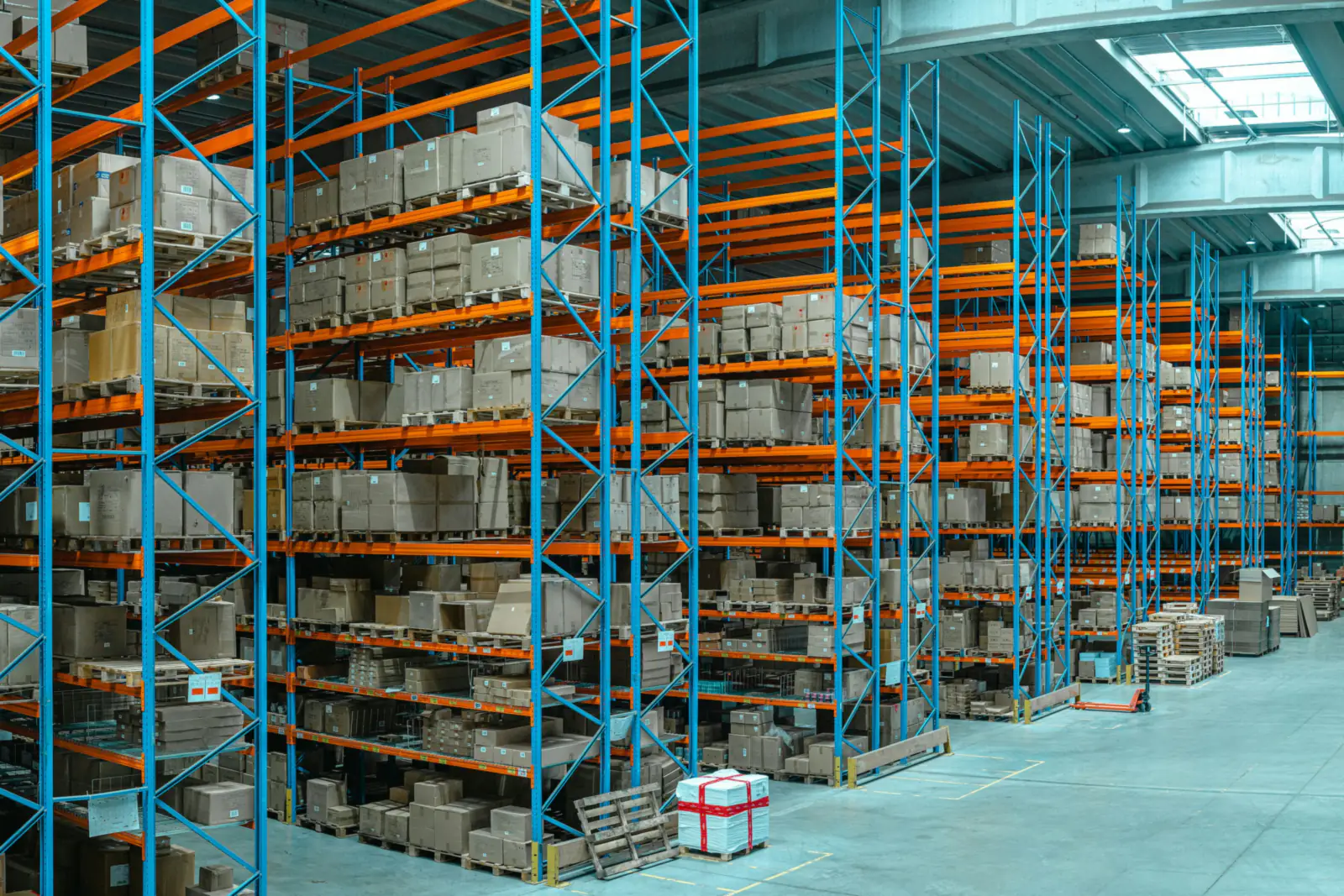
Almost every plant, contractor and distributor ends up with surplus: spares for machines that are gone, overstock from a project, parts pulled during an upgrade, or a whole storeroom after a closure. That inventory has value to someone who still runs the equipment – but only if a buyer can see what it is. The sellers who get the best offers aren't the ones with the rarest parts; they are the ones who make the parts easy to evaluate.
Key takeaways
- Buyers price what they can identify. Part numbers and clear label photos matter more than anything else.
- Be honest and specific about condition: sealed, open box, used or removed from service.
- A simple spreadsheet – manufacturer, part number, quantity, condition, location – speeds up every offer.
- Obsolete doesn't mean worthless. Demand for the specific part is what sets the price.
- Decide early whether you want to sell the lot or piece by piece, and what your time and space are worth.
What surplus buyers look at
A surplus buyer is estimating how quickly each part will resell, at what price, and what it will cost to handle. The main factors are:
- Identity. Manufacturer and exact part number. An unidentified part is valued as a guess.
- Demand. Parts that many plants still use – common PLC modules, drives, breakers, contactors, sensors – sell steadily. So do obsolete parts for platforms still in wide service.
- Condition. Factory-sealed and new-in-box parts usually command more than used ones, but good used parts from working equipment have real value too.
- Quantity. Multiples of the same part are attractive for buyers who supply fleets of identical machines, though very large quantities of one slow-moving part may be discounted.
- Packaging and completeness. Original boxes, covers, terminal blocks and manuals help.
- Logistics. Where the parts are, how they are stored, and what it takes to move them.
How to prepare your inventory
1. Make a list
A spreadsheet is ideal, but a legible handwritten list or a list from your maintenance system works too. The most useful columns are:
| Column | Why it matters |
|---|---|
| Manufacturer | Part numbers overlap between brands |
| Part / catalog number | The single most important field – copy it exactly, with suffixes |
| Series or revision | Affects value for controllers, drives and communication modules |
| Quantity | Multiples change the offer |
| Condition | Sealed, new in box, open box, used, removed from service, damaged |
| Location | Needed to plan pickup or shipping |
Don't worry about prices or descriptions – the buyer will do that work. Accuracy of part numbers is what counts.
2. Photograph the labels
If you don't have time to type a list, photos can replace it. Good surplus photos are not about looks:
- Photograph the nameplate or label straight on, in focus, with the part number and series readable.
- Take one overall shot of each item showing its condition and whether it is boxed.
- For pallets and shelves, take a wide shot of each section and closer shots of what is on it.
- Show any damage honestly – broken housings, bent pins, missing covers.
3. Describe condition honestly
Say which items are sealed, which are open box and which were removed from equipment, and whether anything is known to be faulty. Honest descriptions make offers firmer and avoid renegotiation after pickup. Our guide to part conditions explains the terms buyers use.
4. Tell the buyer about access
For larger lots, note whether there is a loading dock, a forklift, pallet jacks and people on site, and any deadline – a lease end or a sale closing. It helps the buyer plan and price the removal.
Sell the lot or piece by piece?
Selling each part individually can bring in more money in total, but it takes a long time: someone has to identify, photograph, list, store, pack and ship every item and deal with returns. Selling the whole lot is faster, clears the space at once and removes the handling cost. Many sellers do both – sell a few high-value items separately and the rest as a lot – but be aware that removing the best items from a lot usually lowers the offer for what remains. Ask for an offer on the whole lot first so you can compare it with your own time and costs.
Before anything leaves the building
- Confirm you have the right to sell. Check that the inventory isn't pledged to a lender, owned by a customer or subject to a contract.
- Clear data. Industrial computers, HMIs and some controllers can hold programs, recipes, network settings and credentials. Back up what you need and clear what you don't want to leave the building.
- Separate hazardous items. Batteries, fluids and some older equipment may need special handling. Point them out.
- Get the offer in writing, with the amount, what is included, how and when payment is made and who handles pickup.
Don't throw away obsolete parts
It is tempting to scrap parts for platforms your plant no longer uses. But the same PLC modules, drives, breakers and boards are still running in other plants that need spares, often urgently. Surplus is how those parts get back into service. Before sending anything to scrap, get an offer.
Selling to KIV Industrial Parts
We buy new, new surplus and used industrial electrical and automation parts, including obsolete and discontinued items, from single pieces to whole warehouses, nationwide. Send your list or photos through the sell us your surplus page and you get an offer within 24 hours on business days. We arrange pickup for pallets and lots, or send a prepaid label for smaller shipments. Clearing a whole building? See our facility cleanout service and the decommissioning checklist.
Frequently asked questions
What do surplus buyers need to make an offer?
Manufacturer, part numbers, quantities, condition (sealed, open box, used or removed from service), clear photos of the labels and the location of the items. A spreadsheet is ideal for long lists.
Should I sell the whole lot or piece by piece?
Selling piece by piece can raise the total but takes time, storage and handling. Selling the lot is faster and clears space at once. Many sellers ask for a lot offer and compare it with their own time and costs.
Are obsolete parts worth anything?
Often, yes. Plants still run discontinued PLCs, drives and breakers, and those buyers need spares. Obsolete does not mean worthless – demand for the specific part is what counts.
How fast can I get an offer from KIV Industrial Parts?
For part lists and photos, within 24 hours on business days (Monday to Friday). Large lots or whole warehouses may need a few questions or a walkthrough first.